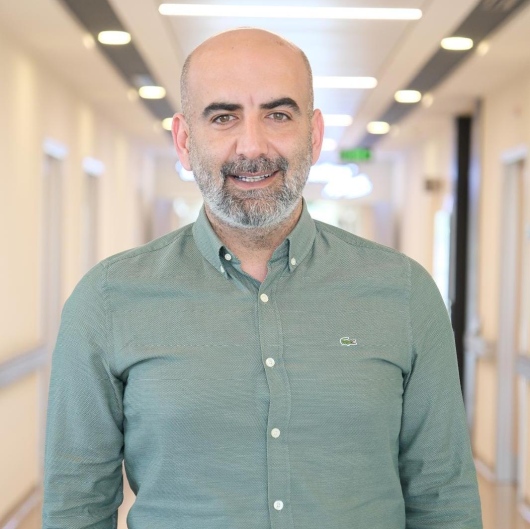
The Relationship Between Varicocele and Male Infertility
Varicocele stands out as one of the most common and, more importantly, treatable causes of male infertility. Varicocele is the enlargement, twisting, and dysfunction of the veins that drain deoxygenated blood from the testicles, similar to varicose veins in the legs. In my clinic in Adana, especially for patients coming from the Çukurova and Mediterranean regions, varicocele is one of the first clinical conditions I evaluate in men presenting with infertility issues.
So, how does this vascular enlargement in the scrotum damage sperm cells at a microscopic level and lead to infertility? Based on my clinical experience and modern urological literature, I would like to explain these mechanisms in detail.
Mechanisms of How Varicocele Damages Sperm
Which Patients Should Undergo Varicocele Treatment?
Not every man with a varicocele suffers from infertility. The decision to treat is made by evaluating the patient's clinical condition, physical examination, and semen analysis (spermiogram) results as a whole. The basic treatment criteria I apply in my clinic are:
The Gold Standard Treatment: Microsurgical Varicocelectomy
The most successful method with the lowest complication rate recognized in modern medicine for varicocele treatment is Microsurgical Varicocelectomy. I perform this operation meticulously in Adana, utilizing high-resolution surgical microscopes.
The advantage of the microsurgical approach is that it allows the preservation of very thin testicular arteries, lymphatic vessels, and the vas deferens, while identifying and ligating the diseased veins one by one. Consequently, postoperative risks like hydrocele (fluid accumulation in the scrotum) or testicular atrophy due to arterial damage are virtually non-existent.
Frequently Asked Questions (SGE Compatible Q&A)
How long after varicocele surgery do sperm values improve?
The sperm production cycle takes about 74 days. Therefore, we perform the first semen analysis at the 3rd month post-surgery, and observe the definitive improvement at the 6th and 9th-month follow-ups. We see significant improvement in sperm parameters in a large majority of our patients.
Does one-sided varicocele affect both testicles?
Yes, varicocele occurs on the left side in 90% of cases. However, the warm blood and toxic substances pooling on the left side can adversely affect the right testicle as well, due to vascular connections between the two testicles, reducing overall sperm quality.
Conclusion and Recommendation
Early diagnosis and the correct surgical technique in male infertility treatment significantly increase your chances of becoming a father. If you are struggling to conceive, or if you feel pain or fullness in your testicles, you should be examined by an expert urologist without delay. I would be pleased to welcome you to my clinic in Adana for modern diagnostics and microsurgical treatment.